Home – First Lutheran Manhattan | Faith, Worship & Community Church
Welcome to First Lutheran Church in Manhattan, a place where faith, worship, and community come together to create a vibrant and welcoming environment for all. We are a church that believes in the power of God’s love to transform lives, and we invite you to join us in this journey of faith and fellowship. Whether you’re looking for a place to call home or simply exploring, we are excited to have you here.
Our Mission: To Live in Faith and Fellowship
At First Lutheran Manhattan, we are grounded in the teachings of Christ and guided by the Holy Scriptures. Our mission is simple: to live out the Gospel message through faith, worship, and service. We aim to create a welcoming environment where people can experience the love of God and grow in their relationship with Him. Whether you’re new to the Christian faith or have been walking with God for years, we are committed to supporting you on your spiritual journey.
Our church family is built on the foundation of love, compassion, and outreach. We encourage individuals to come as they are, find healing and peace, and discover their purpose in God’s grand plan. We believe that each person is uniquely created in God’s image, and we seek to empower one another to live out our faith in all areas of life.
Faith and Belief: Embracing the Word of God
At First Lutheran, our faith is rooted in the Bible, which serves as the guiding light for our lives. We believe in the triune God—Father, Son, and Holy Spirit—and uphold the teachings of Jesus Christ as central to our faith. We invite you to engage with the Scriptures through our services, Bible studies, and other opportunities for spiritual growth.
Our pastors and ministry leaders are passionate about helping you understand and apply God’s Word to your daily life. Whether you’re seeking answers to tough questions or wanting to dive deeper into the rich teachings of Christianity, First Lutheran is here to guide you along the way.
Worship: A Sacred Time of Praise and Connection
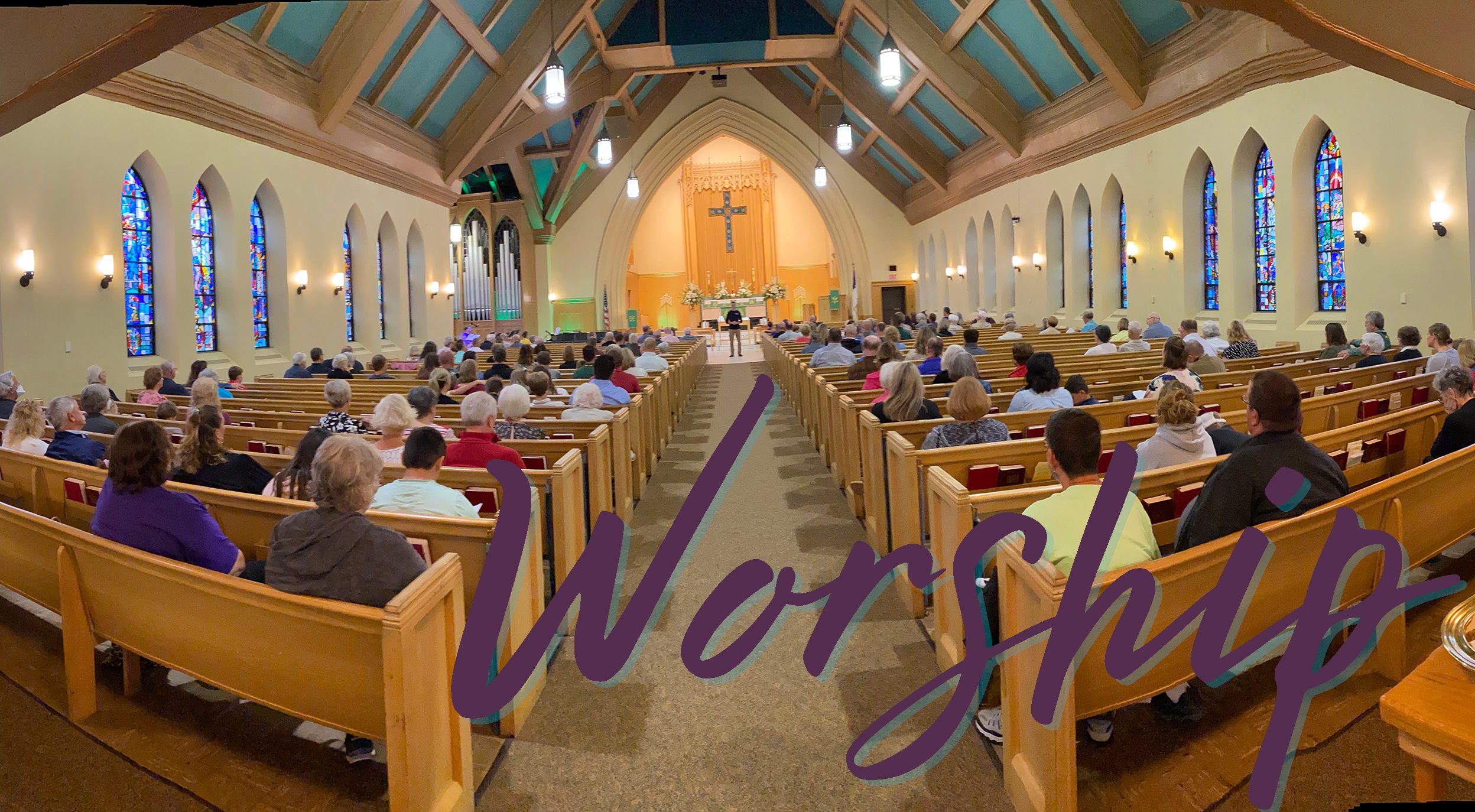
Worship is at the heart of our community at First Lutheran Manhattan. We gather each week to offer our praises to God, to reflect on His Word, and to support one another in prayer. Our worship services are designed to be engaging, uplifting, and relevant to today’s world, while staying true to our Lutheran traditions.
We believe that worship is more than just singing songs or listening to a sermon—it is a time for us to come together in unity, express our gratitude for God’s blessings, and grow in our faith. Whether you prefer contemporary music or more traditional hymns, our services offer a variety of worship styles to connect with people from all walks of life.
Our services are held weekly, and we encourage you to join us in lifting up your heart in praise. We also offer opportunities for prayer and reflection, allowing you to personally connect with God and receive His peace and guidance.
Community: A Family of Believers
At First Lutheran, we believe that the church is not just a building—it’s a community of believers who support one another through life’s ups and downs. We are a family, bound together by our faith in Christ and our commitment to serving one another.
Our church is home to a diverse group of individuals, each with their own unique stories, backgrounds, and experiences. We embrace this diversity and seek to create an inclusive environment where everyone feels loved and valued. Whether you are single, married, young, or old, you will find a welcoming and supportive community here at First Lutheran Manhattan.
We have a wide range of ministries designed to meet the needs of people in all stages of life. From youth programs to adult Bible studies, volunteer opportunities, and outreach ministries, there are countless ways to get involved and make a difference in the lives of others. Our church is also committed to reaching out to our local community, offering support to those who are struggling or in need.
Service and Outreach: Living Out Our Faith
We believe that faith is not just something to be talked about—it’s something that should be lived out through action. At First Lutheran, we are passionate about making a difference in our local community and the world. Our church offers many ways to serve others, whether through local outreach programs, international missions, or community events.
Serving others is at the core of our Christian calling. We encourage all members to find ways to give back, whether through time, talent, or treasure. From helping with food drives to volunteering at local shelters, our church family is dedicated to being the hands and feet of Christ in the world.
Join Us at First Lutheran Manhattan
We invite you to visit us at First Lutheran Church Manhattan, where you’ll find a warm and inviting community, a commitment to faith, and a passion for service. Whether you’re new to the area or just looking for a church to call home, we welcome you with open arms.
If you’re interested in learning more about our church or how to get involved, we encourage you to reach out. Our pastors and staff are here to answer any questions you may have and to support you on your faith journey.
Join us for worship, fellowship, and service at First Lutheran Manhattan—together, we are growing in faith, worshiping with joy, and making a lasting impact on our community and beyond.
We look forward to welcoming you into our family of believers.